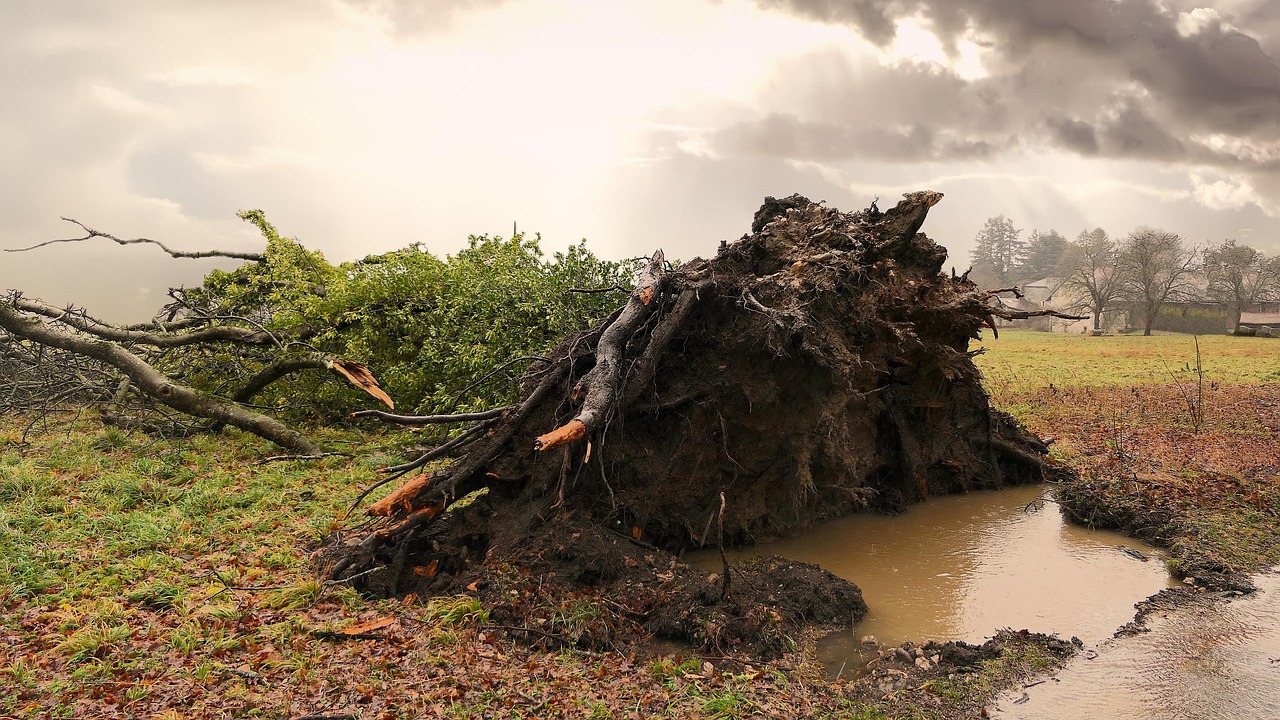
Tree removal in Rancho Cordova, CA means taking down, under control, a tree that is dead, dying, storm-damaged, diseased or simply growing in the wrong place. It’s for Rancho Cordova homeowners with a tree that threatens their house, pool, fence or family, or that has outgrown a small yard. Removals here are done in sections whenever space is tight, with the wood chipped and hauled away. The outcome is a safer property and space you can plan around again.
What Removal Involves
A typical removal includes:
- Assessing the tree, the lean and the surroundings.
- Planning the order of cuts and where wood can land safely.
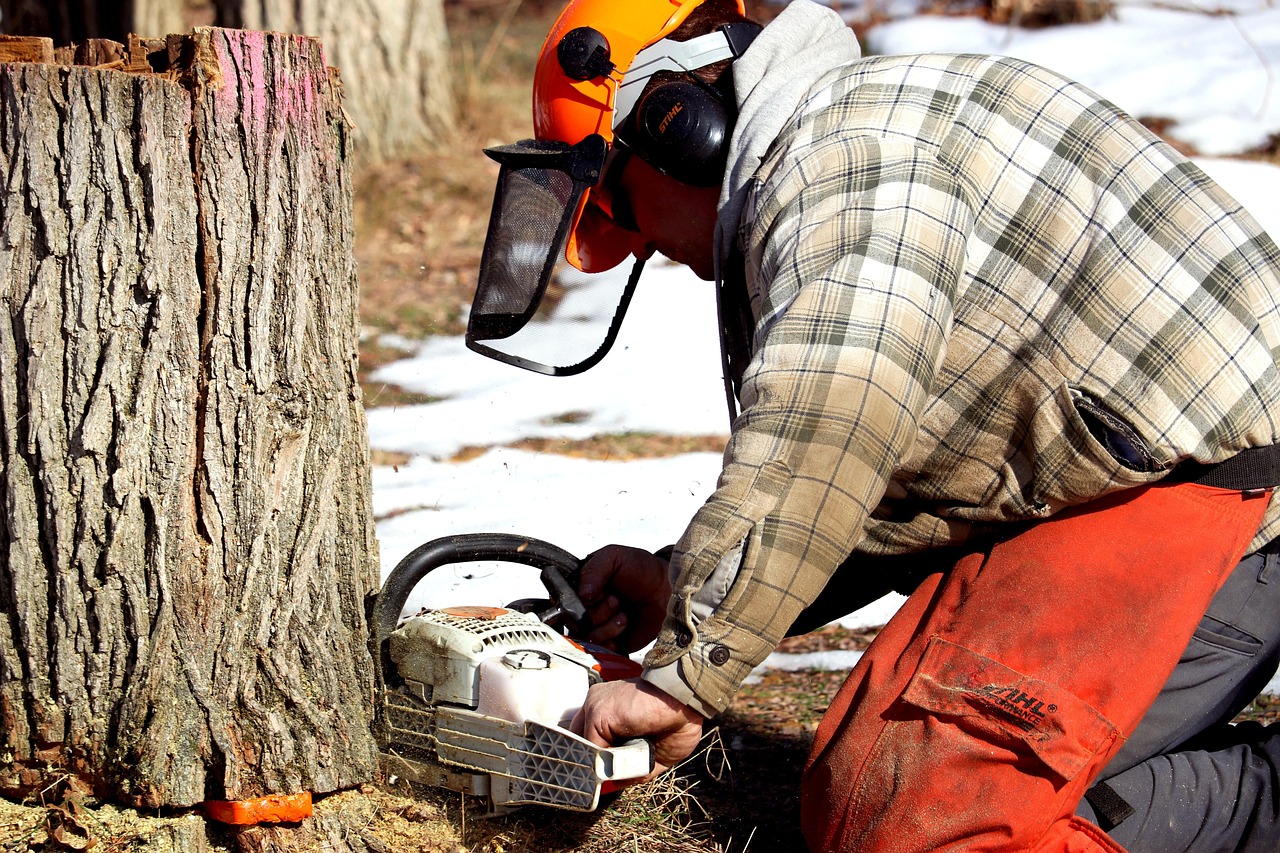
- Climbing and sectioning trees in tight spaces, lowering heavy pieces by rope.
- Felling in one piece only where there is open ground.
- Chipping, cutting and hauling all of the debris.
When Removal Is the Right Call
- Much of the crown has died, or the whole tree is gone.
- A storm has split the trunk or torn off major limbs.
- The tree has started leaning with soil heaving at the base.
- Decay or fungus shows at the base or along the trunk.
- Roots are damaging foundations, pool decks or sewer lines.
- The species is a poor fit, such as a large tree planted inches from a wall.
Why Trees Fail in Rancho Cordova
Valley heat and periodic drought put long-term stress on trees, especially those with shallow, sprinkler-fed roots. Trees that were heavily topped in the past often regrow with weak, crowded stems and hidden decay at the old cuts, which makes them more likely to break apart. Mistletoe and pests weaken branches over years. When winter storms arrive in a series, saturated ground lets heavy trees uproot. Older trees in established neighborhoods may also carry hidden decay from past topping or storm damage.
Our Removal Process
- Inspect the tree and identify hazards such as decay, lean or nearby lines.
- Coordinate with SMUD if branches are close to energized lines.
- Protect the property, covering pool equipment, beds and lawns as needed.
- Take the tree down in sections or as a single fell where space allows.
- Chip and haul the wood, then rake and blow the area clean.
- Grind the stump if it’s part of the job.
What Affects the Cost of Removal
- Size, species and condition of the tree.
- Access, including gate width and how far wood must be carried.
- Structures and pools that require rigging.
- Power lines that may need utility coordination first.
- Storm damage, since a partly fallen tree takes extra care.
- Stump grinding and haul-away choices.
A free visit lets us see the tree and give you an accurate estimate.
If the tree has already partly fallen or is resting on a fence or roof, tell us when you call. Those situations are handled differently, since the weight and tension in a damaged tree have to be released in a controlled way.
Remove or Keep?
Some trees that look rough can be saved with pruning, mistletoe removal or better watering. If the tree is structurally sound, tree trimming may be all it needs. Removal is right when the tree is dead, structurally compromised or unsuited to its spot. We’ll tell you plainly which we think applies.
Delaying a Removal
A dead or failing tree gets more brittle and less predictable over time, and winter storms add risk each year. Delay can turn a simple removal into a harder one. A tree that could be climbed safely this year may need extra equipment and rigging next year once its wood has dried and weakened.
There is also the matter of liability. If you know a tree is dead or failing and it damages a neighbor’s property, the situation is more complicated than if it had been addressed. Taking care of hazards promptly protects everyone. After removal, stump grinding lets you replant or reuse the space.
Related services in Rancho Cordova